
AC Short-Cycling: What Is It & How Do I Fix It?
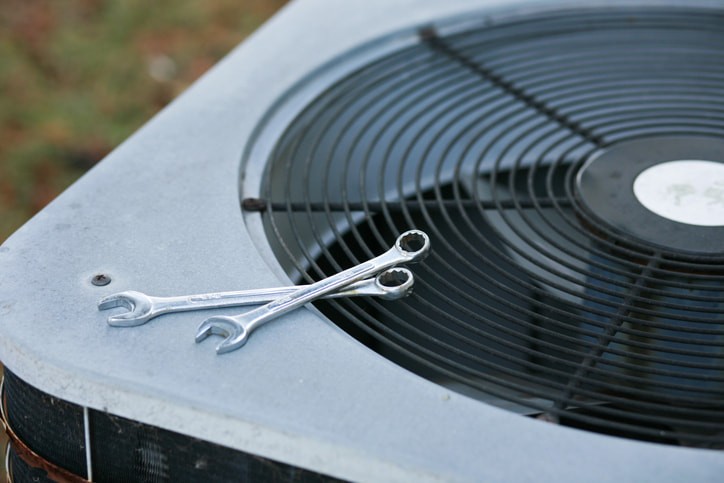
Your air conditioner is one of the most important appliances in your home, especially during a hot Knoxville summer. But what happens when it starts turning on and off every few minutes? This issue is known as AC short-cycling, and it can be a sign of a serious problem. Short-cycling prevents your home from cooling properly and puts a significant strain on your AC unit. Grissom Heat & Air can perform any necessary repairs. But first, read our guide explaining what air conditioner short-cycling is, its causes, and how you can fix it.
What Is AC Short-Cycling?
Air conditioner short-cycling happens when your AC turns on and off in rapid, repeated cycles without completing a full cooling cycle. A normal air conditioner should run for about 15 to 20 minutes at a time, cool your home to the set temperature, and then shut off until the temperature rises again.
When an AC is short-cycling, it may run for only a few minutes before shutting down, and then turn back on again shortly after. This frequent starting and stopping is inefficient. It uses a substantial amount of energy each time the compressor kicks on, significantly increasing your electricity bills. It also causes excessive wear and tear on the system’s components, which can lead to premature breakdowns and a shorter lifespan for your unit.
What Causes Air Conditioner Short-Cycling?
Identifying why your air conditioner is short-cycling is crucial for finding the right solution. Some of the most common causes of AC short-cycling are:
- Dirty Air Filter – A clogged air filter is one of the most frequent causes. A dirty filter restricts airflow to the unit. This can cause the evaporator coil to freeze over, which forces the system to shut down. As the ice melts, the system may start again, only to repeat the process.
- Oversized AC Unit – if your air conditioner is too large for your home, it will cool the space too quickly. While this might sound like a good thing, it means the unit reaches the thermostat’s set temperature in just a few minutes and shuts off. Because it doesn’t run long enough to dehumidify the air, your home might feel cool but still clammy. The temperature will also rise quickly, causing the unit to turn back on and create a short cycle.
- Low Refrigerant Levels – Refrigerant is the substance that absorbs heat from your home. If your system has a leak and the refrigerant level is low, it can cause the pressure in the unit to drop. This change in pressure can make the compressor overheat and shut down as a safety measure.
- Faulty Thermostat – Your thermostat tells your AC when to turn on and off. If the thermostat is malfunctioning or placed in a bad location – like in direct sunlight or near a heat source – it might give incorrect readings. This can trick your air conditioner into thinking the room is cooler than it is, causing it to shut down prematurely.
- Frozen Evaporator Coils – Restricted airflow from a dirty filter or low refrigerant can cause the evaporator coils to freeze. The ice buildup blocks air from passing over the coils, and the system’s safety sensors will shut down the compressor to prevent damage.
How to Stop AC Short-Cycling
Once you understand what causes AC short-cycling, you can take steps to fix the issue. Some solutions are simple enough for a homeowner to handle, while others require professional help.
- Check and Replace Your Air Filter – This is the easiest first step. Turn off your AC unit and inspect the air filter. If it looks dirty or clogged, replace it with a new one. It’s a good practice to check your filter every month and replace it at least every three months.
- Inspect Your Thermostat – Make sure your thermostat is in “cool” mode and the temperature is set lower than the current room temperature. Ensure it’s not positioned in a spot that receives direct sunlight or near heat-producing appliances. If the thermostat itself is broken, you’ll need to have it replaced.
- Clear the Area Around Your Outdoor Unit – Your outdoor condenser unit needs space to release heat. Make sure there are at least two feet of clearance around the unit. Remove any leaves, branches, or other debris that might be blocking airflow.
- Thaw Frozen Coils – If you see ice on your evaporator coils, turn off the cooling function on your thermostat but leave the fan running. The fan will circulate air over the coils, melting the ice. This can take a few hours. Once the ice is gone, you can turn the cooling back on. However, remember that frozen coils are a symptom of another problem, like a dirty filter or low refrigerant, which still needs to be addressed.
- Call a Professional – If you’ve tried the simple fixes and your AC is still short-cycling, it’s time to call an HVAC technician. Issues like low refrigerant, a faulty compressor, or an oversized unit require expert knowledge and specialized tools to diagnose and repair safely.
Tips to Prevent Recurrences
Regular maintenance is the best way to prevent short-cycling and other AC problems. Schedule an annual tune-up with a qualified HVAC technician before the cooling season begins. During this service, an expert will clean the system, check refrigerant levels, and ensure all components are functioning correctly. Staying consistent with simple tasks like changing your air filter and keeping the outdoor unit clear will also go a long way in preventing future issues.
Call Us for AC Repairs in Knoxville, TN
If you’re in the Knoxville, TN, area, rely on the Grissom Heat & Air team for help. We can quickly diagnose the cause of your AC short-cycling and provide a reliable solution. Contact us today to schedule a service.
Introduction
The falling temperatures that mark the beginning of the winter season are a solemn reminder of the role that a properly functioning…
Introduction
As the winter season approaches, a properly functioning heating system goes from being a nice-to-have item to an absolute must-have…