
HVAC Emergencies and How to Stop Them
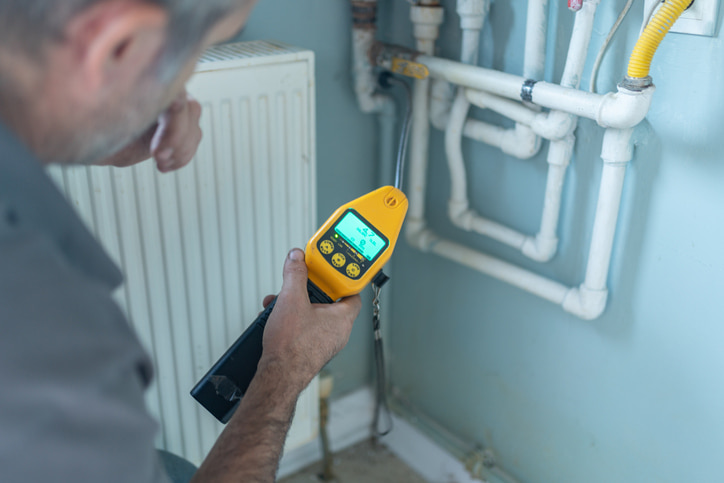
Your home’s heating and cooling system is a quiet hero, keeping you and your family comfortable throughout the year. But when it suddenly stops working, it can feel like a disaster. A broken furnace in the middle of a Tennessee winter or a failed air conditioner during a summer heatwave can be a genuine emergency.
Grissom Heat & Air is here to address and prevent common HVAC emergencies in Knoxville, TN. This guide will highlight what qualifies as an HVAC emergency, some of the most frequent problems, and how you can stop them.
Recognizing What Constitutes an HVAC Emergency
Not every HVAC issue is an emergency, but some problems will require immediate attention to protect your family and property. An HVAC emergency is any situation that poses a direct threat to your health, safety, or home. Heating and cooling emergencies often involve:
- Extreme Temperatures – If your furnace fails during a freezing winter night or your air conditioner malfunctions during a dangerous heatwave, your home can quickly become unsafe. This is especially true for households with young children, elderly individuals, or people with health conditions.
- Safety Hazards – Problems like gas leaks, electrical issues, or strange burning smells from your unit pose serious safety risks. These situations can lead to fires, carbon monoxide poisoning, or other dangers and should be addressed by a professional right away.
- Water Damage – A clogged drain line or a leaking air conditioner can cause significant water damage to your floors, walls, or ceilings. If you notice water pooling around your HVAC unit, it’s time to call for help before the problem worsens.
What Are the Most Common HVAC Emergencies?
Knowing the most common HVAC emergencies can help you spot a problem before it gets worse. Here are some frequent issues that require professional services:
- Complete System Failure – Your furnace or air conditioner won’t turn on at all. This could be due to a tripped circuit breaker, a faulty thermostat, or a major internal component failure.
- Strange Noises – Loud banging, grinding, or screeching sounds often indicate a serious mechanical problem, such as a broken motor or a loose part. Ignoring these noises can lead to more severe damage.
- Strong, Unpleasant Odors – A burning smell could signal an electrical issue, while a rotten egg smell might indicate a natural gas leak, which is extremely dangerous. You should investigate any unusual smell immediately.
- No Airflow – If your system is running but no air is coming out of the vents, you might have a clogged filter or a problem with the blower fan. This can cause the system to overheat and fail.
- Fluid Leaks – Pooling water around your HVAC unit can be a sign of a clogged drain line or a refrigerant leak. Water damage can harm your home and promote mold growth.
How to Stop HVAC Emergencies
When you’re facing an HVAC emergency, your first priority is to ensure your family’s safety. Among the steps to take are:
- Turn Off the System – If you hear loud noises or smell something strange, turn off your HVAC system at the thermostat and the circuit breaker to prevent further damage and reduce safety risks.
- Check the Simple Things – Sometimes, the problem is simple. Check if your thermostat has fresh batteries and is set correctly. Ensure the circuit breaker hasn’t tripped. Also, inspect your air filter to see if it’s clogged and needs replacement.
- Address Leaks Immediately – If you suspect a natural gas leak, leave your home right away. Don’t use any electronics or light switches. Once you’re safely outside, call your gas company and an HVAC professional.
- Clear the Area Around Your Unit – Make sure your indoor and outdoor units are clear of debris. Grass, leaves, and other objects can block airflow and cause your system to work harder than it should.
- Call Grissom Heat & Air – For anything beyond a simple fix, it’s best to call a qualified HVAC technician. Grissom Heat & Air’s team has the tools and expertise to diagnose and repair problems safely.
Preventing Future HVAC Emergencies
The best way to deal with HVAC emergencies is to prevent them from happening in the first place. Regular maintenance is key to keeping your system in top condition. As such, you should schedule a professional tune-up twice a year: once in the spring for your air conditioner and another in the fall for your furnace. During these appointments, a technician will clean, inspect, and test your system’s components. They can catch small issues before they become major problems, ensuring your system runs efficiently and reliably. Changing your air filter every one to three months is another simple but crucial task that can prevent HVAC emergencies.
Contact Us in Knoxville Today
When an HVAC emergency strikes, you need a team you can trust to respond quickly and get the job done right. Grissom Heat & Air understands how stressful these situations can be, so you can rely on our technicians to provide quick, reliable solutions. Contact us today for emergency repairs or to schedule maintenance services.
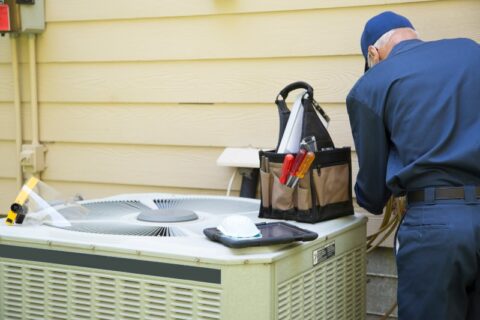
An HVAC emergency occurs when you’re heating or cooling system fails, posing risks to your safety, comfort, or property. These situations often…