
5 Reasons to Replace Your Traditional Furnace With a Heat Pump
5 Reasons to Replace Your Furnace With a Heat Pump
If your furnace is aging or you’re planning a major HVAC upgrade, it’s a good time to look at heat pumps as a replacement option. Modern heat pumps can handle most or all of your home’s heating needs and also provide efficient cooling in the summer. Grissom Heat & Air explains the top five reasons to replace your traditional furnace with a heat pump. Learn more today.
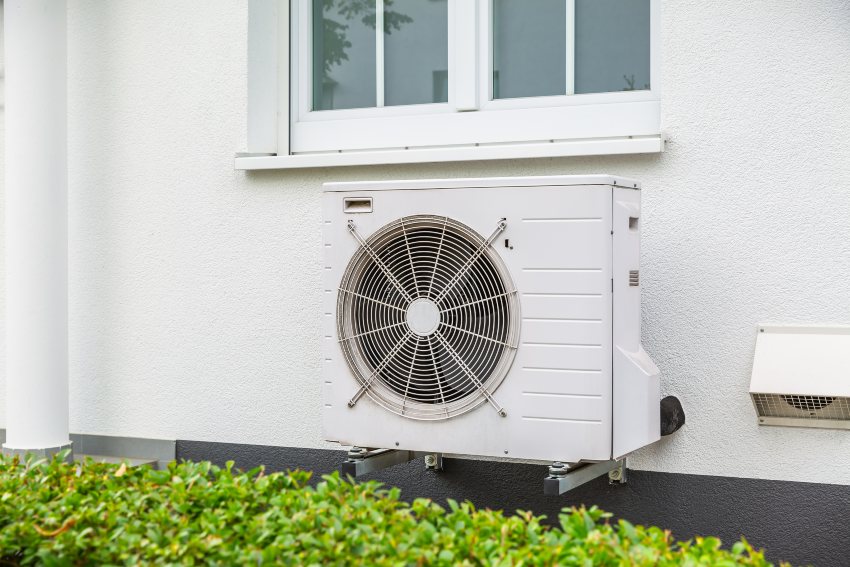
What Is a Heat Pump and How Does It Work?
A heat pump is an all‑electric system that can both heat and cool your home by moving heat rather than generating it from fuel. In colder weather, it pulls heat from the outdoor air (or the ground, for geothermal systems) and transfers it indoors. In warmer weather, it reverses the process and works like an air conditioner.
Instead of burning gas or using electric resistance coils like a furnace, a heat pump uses a refrigeration cycle and a compressor to move existing heat energy. Because moving heat is much more efficient than creating it, heat pumps can deliver two to four times more heat energy than the electricity they consume, depending on the model and conditions.
Key Differences Between Heat Pumps and Furnaces
While both systems keep your home warm, they operate in very different ways, which affects efficiency, comfort, and cost. A gas or oil furnace burns fuel to create high‑temperature heat, while an electric furnace uses resistance coils. Both simply convert energy into heat, usually with an efficiency around 80–100%.
Heat pumps typically deliver lower‑temperature but more continuous heat, which often feels more even and less blast‑like than furnace heat. They also consolidate equipment, because one heat pump can replace both a separate air conditioner and a furnace, simplifying maintenance and freeing up space.
Energy Efficiency Benefits of Heat Pumps
The biggest performance advantage of replacing a furnace with a heat pump is energy efficiency. Here are the main energy-efficiency benefits:
- Higher Efficiency Than Traditional Systems – Heat pumps can deliver more heating or cooling energy than the electricity they consume because they transfer heat instead of creating it through combustion or electric resistance.
- Lower Energy Consumption – Compared with furnaces, baseboard heaters, and older HVAC systems, heat pumps typically use less energy to maintain comfortable indoor temperatures.
- Heating and Cooling in One System – A single heat pump offers heating and cooling, helping to reduce the need for separate systems and improve overall household energy performance.
- Consistent Temperature Control – Heat pumps are designed to maintain steady indoor temperatures efficiently, rather than cycling on and off as aggressively as some conventional systems.
- Reduced Reliance on Fossil Fuels – Because heat pumps run on electricity, they can reduce dependence on oil or gas-based heating systems, improving energy use efficiency at the building level.
- Improved Zoned Efficiency Options – Some heat pump systems, especially ductless mini-splits, allow for zone-based heating and cooling, so energy is used only where needed.
Cost Savings Over Time With Heat Pumps
Although a heat pump system may cost more upfront than simply swapping in another furnace, it often pays for itself through lower operating costs. Even when replacing a gas furnace, the higher efficiency of the heat pump can offset electricity prices enough to reduce your overall utility bills. Many homeowners can further improve payback by taking advantage of rebates, tax credits, and utility incentives aimed at high‑efficiency or all‑electric HVAC upgrades.
Environmental Advantages of Switching to Heat Pumps
One of the strongest reasons to consider a heat pump vs a furnace is the environmental impact. Furnaces that burn natural gas, oil, or propane release carbon dioxide and other combustion by‑products directly into your home, contributing to greenhouse gas emissions and indoor air quality concerns.
Heat pumps run on electricity and produce no on‑site combustion emissions. Because they are two to four times more efficient than many traditional heating systems, they significantly reduce the total energy needed for heating, which in turn can cut your home’s carbon footprint by a substantial margin, some estimates suggest reductions on the order of 30–50% or more when replacing a gas furnace with a high‑efficiency heat pump. If your electricity is partially or fully supplied by renewable sources, such as rooftop solar, the environmental benefits are even greater.
Is a Heat Pump Right for Your Home?
While the advantages of replacing a furnace with a heat pump are compelling, the best choice depends on your climate, existing equipment, and budget. Heat pumps perform especially well in moderate and many cold climates, and today’s “cold‑climate” models are designed to maintain high efficiency even at lower outdoor temperatures, though extreme cold regions may still benefit from a dual‑fuel setup that pairs a heat pump with a backup furnace.
We also consider your home’s insulation, ductwork condition, and electrical capacity when planning a conversion. An HVAC professional can help you compare installation costs, estimate energy savings, and decide whether a full heat pump replacement, a ductless mini‑split system, or a hybrid (dual fuel) configuration offers the best long‑term value.
Call Grissom Heat & Air
Grissom Heat & Air provides complete HVAC services in the Knoxville, TN area. We can assess your HVAC needs and determine if a heat pump is the most effective choice for your home. Contact us today to schedule HVAC services.
Don’t let your HVAC system fail you when you need it most. Regular servicing prevents unexpected breakdowns during peak summer demand, reduces…
Heating and cooling typically account for nearly half of the average home’s energy consumption, making your HVAC system the primary driver of your…